

The Power of Play-Based Learning in Enhancing Retention
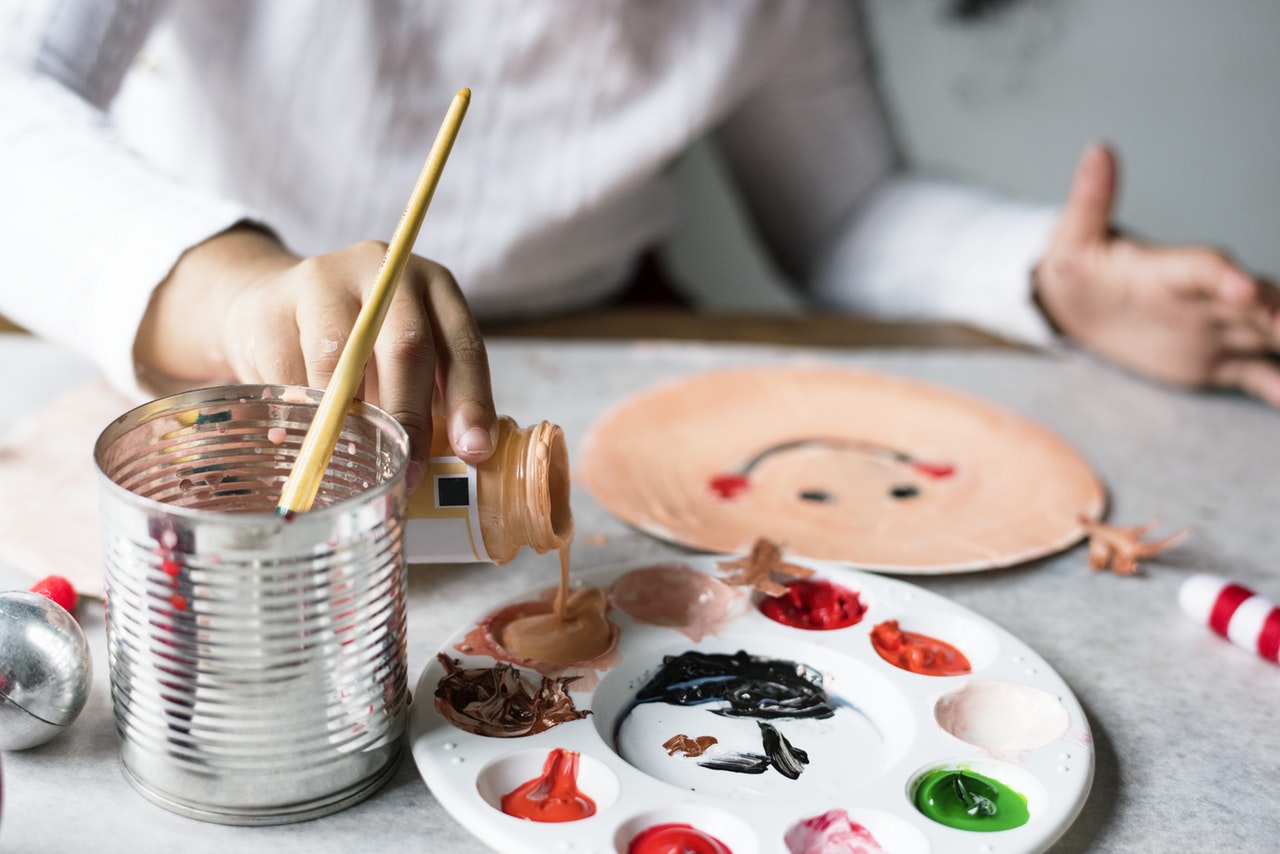

Play-based learning, an educational approach that incorporates structured play activities into the curriculum, has been shown to significantly improve retention power in children. By engaging children in hands-on, interactive experiences that are meaningful and enjoyable, play-based learning creates optimal conditions for memory formation and retention. Here’s how play-based learning facilitates better retention:
1. Multi-Sensory Engagement
- Play-based learning often involves activities that stimulate multiple senses, such as touching, seeing, hearing, and sometimes even tasting or smelling. Engaging multiple senses simultaneously strengthens neural connections and enhances memory encoding.
- For example, a science experiment involving mixing colors not only provides visual stimulation but also tactile sensations and auditory feedback, making the learning experience more memorable.
2. Active Participation and Experiential Learning
- In play-based learning, children actively participate in their learning experiences rather than passively receiving information. Through hands-on exploration and experimentation, they construct their own understanding of concepts.
- Active involvement in learning promotes deeper processing of information, which is essential for long-term retention. When children are actively engaged, they are more likely to remember what they’ve learned.
3. Emotional Engagement and Relevance
- Play-based activities often tap into children’s interests and emotions, making learning more meaningful and relevant to them. When children are emotionally engaged, they are more likely to pay attention and retain information.
- For example, a dramatic play activity where children pretend to be doctors and nurses in a hospital setting not only teaches them about roles and responsibilities but also fosters empathy and social skills.
4. Freedom to Explore and Discover
- Play-based learning environments provide children with opportunities to explore and discover concepts at their own pace. Children are encouraged to follow their curiosity and investigate topics that interest them.
- This freedom to explore allows children to develop a sense of ownership over their learning, leading to greater motivation and retention. When children are intrinsically motivated to learn, they are more likely to remember what they’ve discovered.
5. Social Interaction and Collaboration
- Many play-based learning activities involve collaboration and social interaction with peers. Working together to solve problems, negotiate roles, and share ideas fosters a sense of community and belonging.
- Social interaction not only enhances children’s social and emotional development but also strengthens their learning. Discussing concepts with peers, explaining ideas, and defending viewpoints all contribute to better retention by reinforcing understanding.
6. Repetition and Practice in a Meaningful Context
- Play-based learning allows for repeated exposure to concepts in various contexts, which is essential for memory consolidation. Children have the opportunity to practice skills and concepts in a playful, low-pressure environment.
- Whether it’s building with blocks, creating patterns with colored beads, or role-playing daily routines, repetition within the context of play reinforces learning and improves retention over time.
7. Positive Reinforcement and Enjoyment
- Play-based learning experiences are inherently enjoyable and rewarding for children. The positive emotions associated with play serve as a form of reinforcement, strengthening neural connections and promoting memory retention.
- When learning is fun and enjoyable, children are more likely to be motivated to participate and engage fully, leading to better retention of information and skills.
Conclusion
Play-based learning harnesses the natural curiosity, creativity, and energy of children to create rich learning experiences that enhance retention power. By engaging children in hands-on, interactive activities that stimulate multiple senses, promote active participation, tap into emotions, encourage exploration, foster social interaction, provide repetition, and offer positive reinforcement, play-based learning creates optimal conditions for memory formation and retention. Embracing play as a powerful educational tool can lead to more meaningful learning experiences and better long-term outcomes for children.